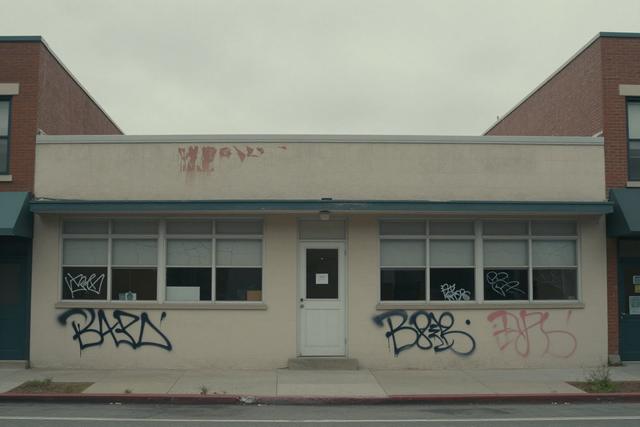
The New York City Department of Education confirmed on Wednesday that the city’s smallest public high school, located in Lower Manhattan, is undergoing a sharp decline attributed to systemic and administrative shortcomings. Officials identified institutional failure as the central factor driving the school’s deteriorating performance, marking the opening of a two‑part series that will explore the challenges confronting the institution.
Students and staff at the school have reported increasing difficulties as the administration grapples with four primary problems identified by department officials. These issues encompass gaps in leadership oversight, inconsistencies in policy enforcement, inadequate resource allocation, and a lack of coordinated support services. The Department of Education stated that each of these elements contributes to an environment where academic outcomes and school morale are suffering.
The department’s assessment underscores that the school’s size, while historically a point of community pride, has amplified the impact of these systemic flaws. With a limited student body, disruptions in staffing, curriculum planning, and operational procedures quickly affect the whole campus. Teachers and administrators have expressed concern that the cumulative effect of the four identified failures hampers the ability to maintain consistent instructional quality and student engagement.
In response, the Department of Education announced plans to conduct a comprehensive review of the school’s governance structure. The review will focus on aligning administrative processes with citywide standards and restoring the support mechanisms necessary for a functional learning environment. No specific timeline for corrective actions was provided, but department representatives indicated that the findings will shape the next steps in the series.
The first installment of this investigative series aims to document the current state of the school, detail the institutional factors at play, and set the stage for subsequent reporting on potential solutions and reforms. As the situation unfolds, students, staff, and city officials remain closely monitoring the school’s trajectory, awaiting concrete measures to reverse the decline.
This report marks the beginning of a deeper examination into how institutional shortcomings can affect even the smallest educational establishments in New York City.