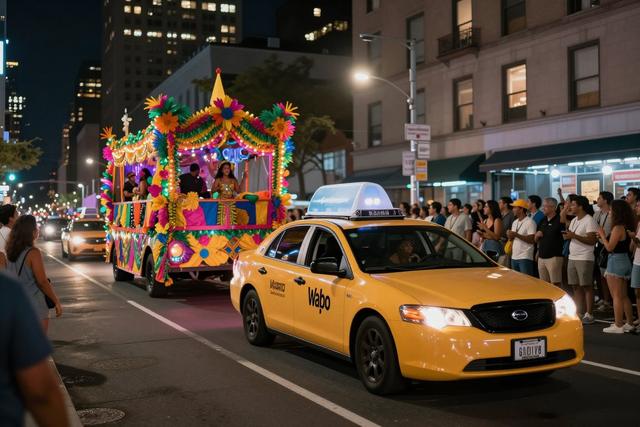
A dispute over Waymo’s robotaxi program in New York City grew more acute in July 2026 after a safety report produced by a prominent research team was withdrawn and a novel titled “Autokill” entered the public sphere. The controversy unfolded during the city’s West Indian Day Parade, an event that drew large crowds and heightened media attention.
The retracted report had criticized Waymo’s safety record, questioning the reliability of its autonomous vehicles on city streets. When the research team later withdrew the document, citing flaws in its methodology, the criticism persisted, fueling debate among city officials, industry observers, and the public. The timing of the withdrawal, coinciding with the parade, amplified the issue as spectators and participants became aware of the ongoing disagreement.
Adding a cultural dimension, the release of the novel “Autokill” – a fictional work that explores themes of autonomous technology and public safety – further intensified the conversation. Although the book is not a factual account, its title and subject matter resonated with the concerns raised in the now‑retracted report, prompting additional commentary on the risks and responsibilities associated with robotaxi deployment.
Robotaxi testing and limited deployment in New York City have already been subject to close scrutiny, with municipal agencies monitoring performance, compliance, and community impact. The recent developments have placed Waymo’s operations under a sharper lens, prompting city regulators to reaffirm their commitment to thorough safety assessments while the company maintains that its vehicles meet all applicable standards.
Stakeholders from both sides have called for clearer data and transparent communication to resolve the disagreement. As the city continues to evaluate autonomous vehicle programs, the episode underscores the challenges of balancing innovation with public confidence in a densely populated urban environment.
The West Indian Day Parade, a hallmark of New York’s cultural calendar, thus became a backdrop for a broader debate about the future of robotaxi services and the standards that will govern them.