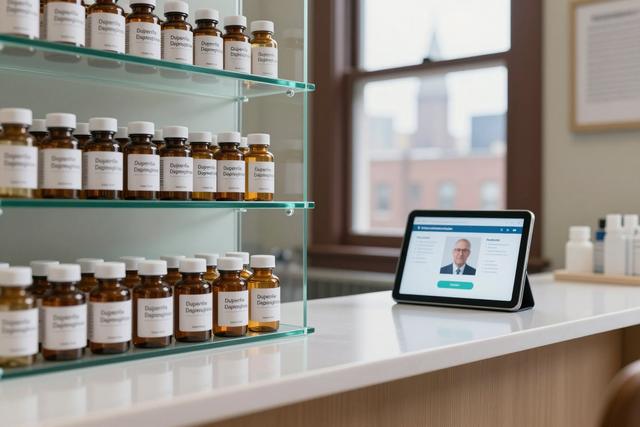
Prescribing of buprenorphine in Philadelphia has risen as pharmacies and hospitals broadened their ability to provide the medication, and local experts are urging the addition of telehealth services to reach patients who remain outside the current system. The coordinated effort aims to close lingering gaps in treatment for opioid use disorder, a priority that has intensified as the city confronts persistent addiction rates.
Pharmacies across the city have begun offering buprenorphine directly to patients, allowing individuals to obtain medication without the need for a separate clinic visit. Hospital networks have similarly expanded their outpatient programs, integrating medication‑assisted treatment into routine care pathways. These changes have collectively increased the number of prescribing encounters, according to officials monitoring the rollout.
Healthcare professionals familiar with the initiative say the expanded pharmacy and hospital presence reduces logistical barriers such as travel distance and appointment wait times. By situating treatment in familiar community settings, patients can more readily engage with care, potentially improving adherence and outcomes. The move reflects a broader trend in which medication‑assisted treatment is being embedded within everyday health services rather than confined to specialized centers.
Despite these gains, experts note that some neighborhoods and demographic groups still face limited access. To address these residual disparities, they propose leveraging telehealth platforms that allow clinicians to evaluate and prescribe buprenorphine remotely. Telehealth could extend services to individuals who lack reliable transportation, have mobility constraints, or prefer the privacy of virtual visits. The proposal aligns with national discussions about using digital health tools to expand the reach of opioid addiction treatment.
The expansion in Philadelphia mirrors a wider national response to rising opioid addiction rates, which has spurred both urban and rural jurisdictions to adopt more flexible medication‑assisted treatment models. By combining pharmacy distribution, hospital programs, and prospective telehealth options, the city hopes to create a more seamless continuum of care that meets patients where they are.
Local policymakers and health leaders intend to monitor the impact of these initiatives, adjusting resources as needed to ensure that the growing network of buprenorphine providers continues to address the evolving needs of Philadelphia's communities.