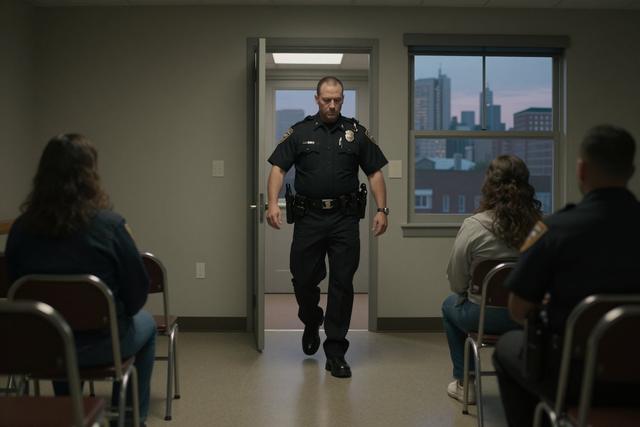
On September 17, 2026, a Philadelphia police officer entered an anti‑ICE activists’ meeting without prior notice, prompting the group to demand an explanation and triggering the Philadelphia Police Department to launch an internal investigation.
The activists, who had gathered to discuss strategies and community concerns related to immigration enforcement, confronted the officer as soon as he arrived. They asked why he was present, whether he had been invited, and what his purpose was in a gathering that was not a public safety briefing. The officers’ unexpected appearance raised questions among the participants about the appropriateness of police presence in a forum organized by community advocates.
In response to the activists’ inquiries, the Philadelphia Police Department announced that it would open an inquiry into the incident. A police staff inspector has been assigned to review the circumstances surrounding the officer’s entry, including any procedural breaches or miscommunications that may have occurred. The department said it would examine whether standard protocols for attending community meetings were followed and will report its findings to senior officials.
The incident occurs against a backdrop of heightened activism against U.S. Immigration and Customs Enforcement (ICE) in Philadelphia. Local groups have been holding public meetings to coordinate protests, legal assistance, and educational efforts. Police participation in such meetings is not unprecedented, but officials typically coordinate attendance in advance to avoid misunderstandings. The current investigation will determine whether the officer’s presence was an isolated lapse or part of a broader pattern of uncoordinated engagement.
Both the activist community and the police department have indicated a desire for clarity. While the activists seek transparency about the officer’s motives, the police aim to ensure that any future interactions with community groups adhere to established guidelines. The outcome of the inquiry is expected to shape how law‑enforcement agencies engage with advocacy groups in the city moving forward.