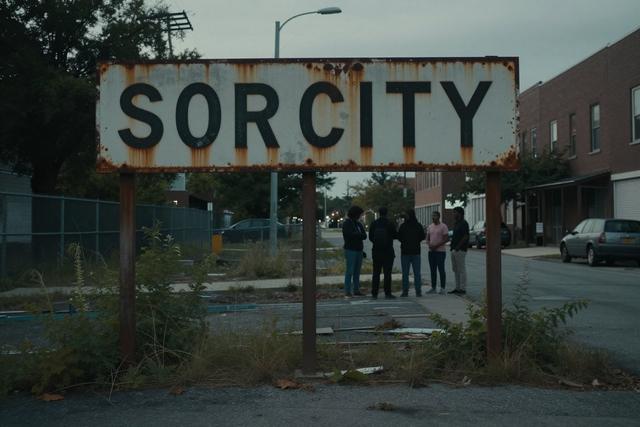
Southwest Philadelphia residents, organized through the Pennsylvania Solidarity Project, formally requested the City of Philadelphia on September 11, 2026, to intervene at fifty identified blight sites across their neighborhood. The petition highlights a list of deteriorating and vacant properties that activists say are eroding the quality of life in the area.
The group of residents compiled a catalogue documenting each of the fifty properties, noting the condition of each structure and its impact on nearby homes and public spaces. According to the petition, the concentration of vacant and decaying buildings has risen in recent years, creating safety concerns and discouraging investment in the community.
City officials have been informed of the compiled list and are being asked to allocate municipal resources to remediate the sites. The request underscores a broader pattern of blight that has become increasingly visible throughout Southwest Philadelphia, prompting local activists to seek a coordinated response from municipal agencies.
Representatives of the Pennsylvania Solidarity Project emphasized that the residents do not seek punitive measures but rather assistance in stabilizing and restoring the properties. They argue that timely city intervention could prevent further deterioration and potentially open opportunities for redevelopment that benefits existing residents.
The City of Philadelphia has not yet issued a public statement regarding the specific request, but the appeal aligns with ongoing municipal efforts to address vacant properties citywide. Officials typically evaluate blight complaints through established processes that consider safety, health, and the potential for productive reuse.
As the petition moves through the appropriate channels, Southwest Philadelphia residents hope that the city will prioritize the fifty listed sites and begin a systematic plan to address the blight that they say is harming their neighborhood.
The situation reflects a growing concern among community groups that vacant and deteriorating properties, if left unchecked, can undermine neighborhood stability and deter future investment, making the city’s response a focal point for local advocacy groups.