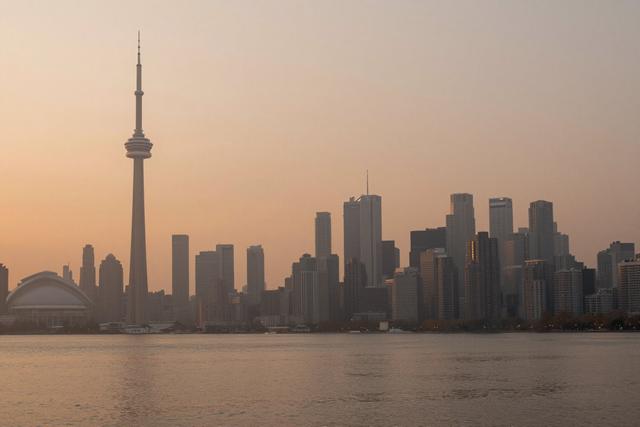
Advocates in Toronto are urging stronger protections for vulnerable residents as the city endures an orange haze from wildfire smoke and a prolonged heat wave. The combination of these conditions prompted an official air‑quality warning on July 16, 2026, heightening health concerns for groups identified as most at‑risk.
The orange haze, a visible sign of smoke drifting from distant wildfires, has settled over the city, reducing visibility and contributing to deteriorating air quality. At the same time, temperatures have risen sharply, creating a heat wave that intensifies discomfort and strain on the body, especially for individuals with pre‑existing health conditions.
Advocacy groups say the overlapping threats of poor air quality and extreme heat place seniors, people with respiratory illnesses, and low‑income residents in particular danger. They argue that existing measures are insufficient to safeguard these populations and are calling on municipal and provincial authorities to implement more robust protective actions.
Health officials have issued an air‑quality warning, advising residents to limit outdoor activities, stay hydrated, and seek cooler indoor environments when possible. The warning also recommends that vulnerable individuals monitor local health advisories and follow any specific guidance issued by care providers.
City officials acknowledge the challenges posed by the smoke haze and heat wave, noting that the current conditions are unusual for the region and that response plans are being activated. They have reminded the public that resources such as cooling centers and air‑filtered spaces are available for those who need them.
Advocates continue to press for expanded measures, including increased access to cooling facilities, distribution of air‑purifying equipment, and targeted outreach to at‑risk neighborhoods. Their call for stronger protections underscores the urgency of addressing the immediate health risks while the city navigates the ongoing environmental stressors.