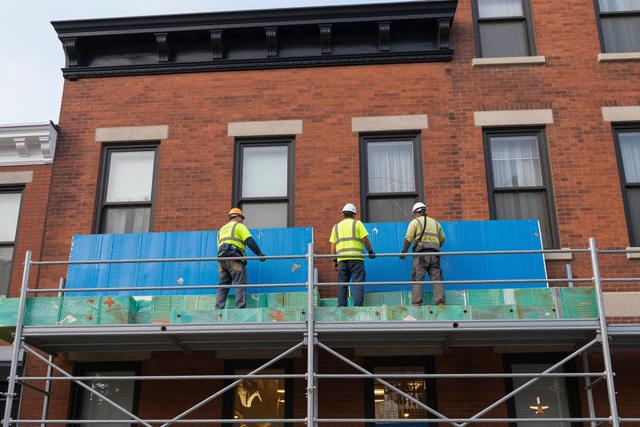
A major energy‑efficiency retrofit has started at the 444 Logan Avenue apartment building, a 59‑year‑old structure in Toronto. The work is designed to retain heat within the units, lower the utility bills of the residents and reduce the building’s carbon emissions.
The project targets the aging complex located on Logan Avenue in the city’s east side. While the building’s exterior has stood for nearly six decades, its internal systems were built before modern energy‑conservation standards. The retrofit therefore focuses on upgrades that improve thermal performance and overall energy use.
City officials have highlighted the importance of such upgrades as part of broader efforts to cut greenhouse‑gas output from residential buildings. By improving heat retention, the retrofit is expected to lessen the demand for heating during colder months, directly translating into lower electricity or gas consumption for occupants.
Residents of the building will see a reduction in their monthly energy costs as a result of the improvements. The lower consumption also contributes to the city’s climate goals, as each unit’s decreased emissions add up across the building’s many households.
The renovation is being carried out while the building remains occupied, ensuring that tenants continue to have access to their homes throughout the process. The work is part of a larger trend of retrofitting older housing stock across Toronto to meet contemporary efficiency expectations.
As the retrofit progresses, the 59‑year‑old building at 444 Logan Avenue will emerge with a modernized energy profile, aligning its performance with current environmental standards while providing tangible savings for its residents.