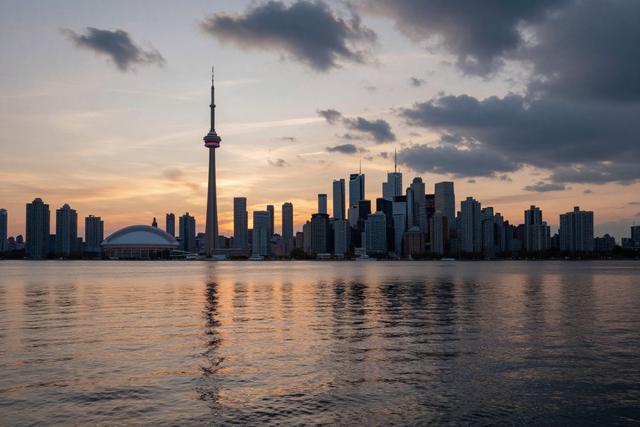
The federal government announced in July 2026 that it would reject a proposal to enlarge the Billy Bishop Airport located on Toronto Island. The decision was made to avert additional pollution, traffic congestion and further environmental strain on the city’s waterfront, according to officials in Ottawa.
Airport expansion advocates had previously promoted the plan, arguing that a larger facility could accommodate more flights and support regional connectivity. Their proposal, however, triggered concerns from community groups and environmental observers who warned that expanding the island runway would intensify emissions and increase vehicle flow to and from the island, putting pressure on the delicate shoreline and surrounding habitats.
In responding to the proposal, the federal government cited the need to protect the waterfront from the projected impacts. By refusing the expansion, authorities said they are preserving the current level of air and noise quality, as well as limiting the growth of road traffic that would accompany a larger airport operation. The move aligns with broader federal priorities aimed at reducing environmental footprints in urban areas.
Advocates for the airport’s growth expressed disappointment, noting that the decision curtails potential economic benefits that a larger airport might bring. Nevertheless, waterfront supporters welcomed the outcome, emphasizing that the rejection safeguards the ecological character of the island and its surrounding waters.
The rejection follows a period of public discussion in which the proposed enlargement of the island airport was examined for its possible effects on the lakefront. With the federal government’s stance now clear, the future of any further development at Billy Bishop Airport remains uncertain, and the waterfront remains protected from the anticipated increase in pollution and traffic that the expansion would have introduced.
The decision underscores the government’s willingness to prioritize environmental considerations over infrastructure growth when the two are in conflict, at least in the context of Toronto’s island airport.