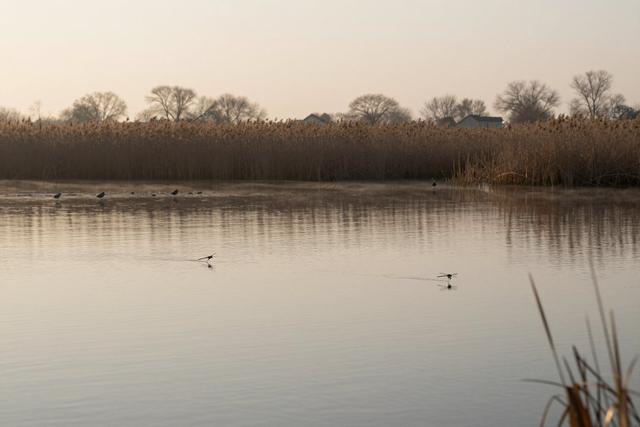
On July 4, 2026, a group of Ontario experts reported a notable reduction in the province’s insect populations, a trend confirmed during a survey at a nature reserve in the Greater Toronto Area. The experts warned that fewer insects could translate into less food for a range of wildlife, including birds, fish and amphibians such as frogs.
Scientists monitoring insect numbers across Ontario have observed a steady decline in recent years. The data gathered from multiple sites, including the GTA reserve, show that the overall abundance of insects is lower than in previous surveys. While the report does not provide specific counts, the consistent pattern of reduction has prompted concern among researchers studying the province’s ecosystems.
Insects serve as a primary food source for many bird species during breeding seasons and for juvenile fish that rely on aquatic insect larvae. Frogs, too, depend heavily on insects and other small invertebrates to meet their nutritional needs. A decrease in insect availability can therefore affect growth rates, reproductive success and survival prospects for these groups.
The implications extend beyond individual species. Reduced feeding opportunities for birds, fish and frogs can disrupt predator‑prey relationships and alter the balance of aquatic and terrestrial habitats. Experts note that such changes may cascade through the food web, influencing plant pollination, nutrient cycling and overall biodiversity.
The Ontario research team emphasized the importance of continued monitoring to track insect trends and to assess the broader ecological impact. Their findings add to a growing body of evidence that insect declines are a province‑wide issue, underscoring the need for further study and potential conservation measures to protect the insects that underpin many aspects of Ontario’s natural environment.
The report, released on Saturday morning, calls attention to the interconnectedness of insect populations and wildlife health, urging stakeholders to consider the long‑term consequences of the observed declines.