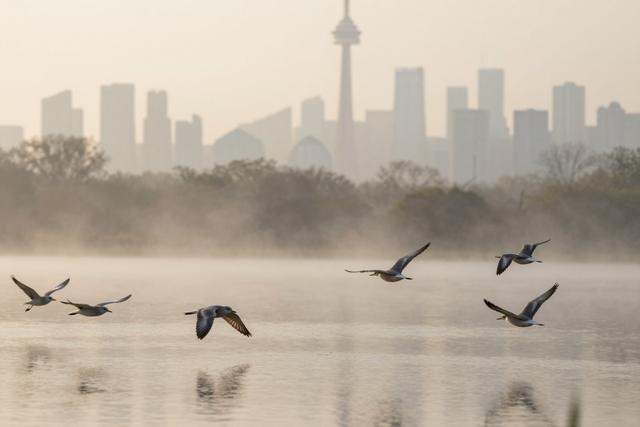
Scientists have sounded the alarm over a noticeable drop in insect numbers across Ontario, a trend that could jeopardize the food base for birds, fish and frogs. The observation comes from recent surveys conducted in a nature reserve within the Greater Toronto Area, where experts noted fewer insects than usual during routine monitoring.
CBC reporter Talia Ricci relayed the findings, emphasizing that insects serve as a primary source of nutrition for a wide range of the province's wildlife. With fewer insects available, predators that rely on them may face shortages, potentially rippling through local ecosystems. The decline, while still being quantified, aligns with broader concerns about insect health in temperate regions.
Researchers involved in the study stressed that the reduction is not isolated to a single species but appears across multiple insect groups. While the exact causes were not detailed in the current report, the pattern mirrors observations elsewhere that link habitat changes, pesticide use and climate shifts to insect population stress. The Greater Toronto Area reserve, a representative green space, provides a snapshot of the larger provincial picture.
The implications extend beyond avian and amphibian diets. Fish that feed on aquatic insects during their juvenile stages could also feel the impact, potentially affecting growth rates and survival. Conservationists and wildlife managers are being urged to consider the insect decline when planning habitat restoration and protection measures.
The scientific community plans to continue monitoring the situation, aiming to gather more data that could clarify the scale of the decline and its drivers. In the meantime, the reported drop serves as a reminder of the interconnectedness of Ontario's ecosystems and the importance of even the smallest creatures in maintaining ecological balance.