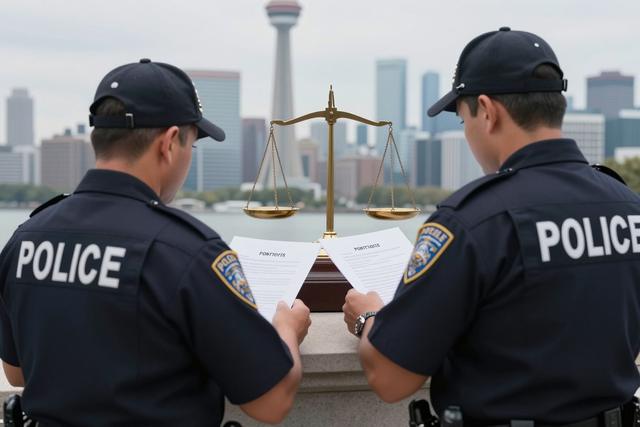
Ontario police forces expressed approval on June 17, 2026 for the federal government’s newly announced bail and sentencing reforms. The changes, part of a long‑promised overhaul of Canada’s criminal justice framework, were presented as a national effort to modernize how bail and sentencing are handled across the country.
Police representatives in the province said the reforms align with their operational priorities and could aid law‑enforcement efforts. Their statements highlighted a perception that the updated rules may provide clearer guidelines and support for police work when dealing with bail decisions and sentencing outcomes.
At the same time, a number of legal experts voiced doubts regarding the reforms’ capacity to achieve their stated goals. Critics noted that the measures may not lead to a measurable reduction in crime rates and warned that the changes could have unintended consequences for communities already facing marginalisation. These concerns centered on the possibility that altered bail and sentencing standards might disproportionately affect vulnerable groups.
The federal government’s initiative represents the latest step in a series of policy adjustments aimed at addressing perceived deficiencies in the criminal justice system. While police agencies welcomed the reforms as a positive development, the expert community called for careful monitoring of the reforms’ impact, emphasizing the need for evidence‑based assessment to determine whether the changes deliver on promises of improved public safety and fairness.
The contrasting reactions underscore a broader dialogue in Ontario and across Canada about how best to balance law‑enforcement objectives with the rights and protections of individuals within the justice system. As the reforms move toward implementation, both police forces and legal analysts will be observing how the new policies function in practice and whether they meet the expectations set by policymakers.
The situation reflects ongoing debates about criminal justice reform in the province, with law‑enforcement agencies and legal scholars offering differing perspectives on the potential outcomes of the federal government’s latest legislative package.