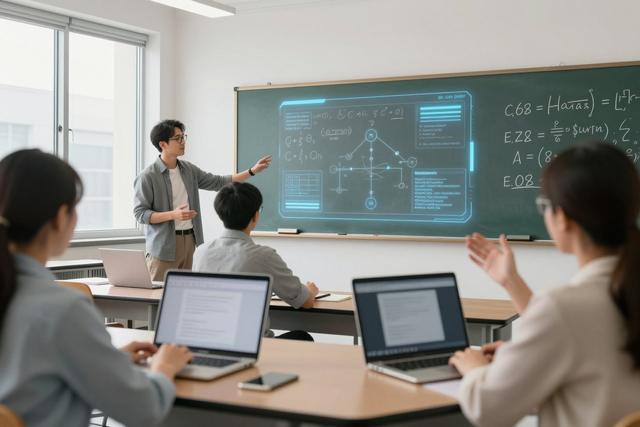
Toronto teachers are weighing how artificial intelligence should be woven into classroom instruction as the province prepares for the 2026-2027 school year. The discussion, reported by CBC journalist Ian Curran, reflects a split among educators over the appropriate role of AI tools in teaching and learning.
Across Ontario, teachers are meeting in school boards, professional development sessions and informal gatherings to outline policies that could guide the use of AI in classrooms. Some educators see potential for AI to personalize learning, automate routine tasks and provide new resources for students. Others voice concerns about data privacy, equity and the risk of over‑reliance on technology.
The debate is taking place as Toronto students prepare to return to school this fall. Administrators are seeking input from teachers to shape guidelines that will be implemented when the new term begins. The conversations include considerations such as which AI applications are permissible, how to train staff, and what safeguards are needed to protect student information.
Ontario’s education ministry has not yet issued a province‑wide directive on AI, leaving individual school boards to develop their own approaches. This has contributed to the varied perspectives among teachers, who are looking for clear, consistent standards. The ongoing dialogue is also prompting discussions about curriculum adjustments, assessment methods and the need for professional development focused on digital literacy.
As the fall term approaches, the outcome of these debates will influence how AI is integrated into daily classroom practice throughout the province. The conversations underscore the importance of balancing innovation with caution, ensuring that any adoption of artificial intelligence aligns with educational goals and protects student interests.