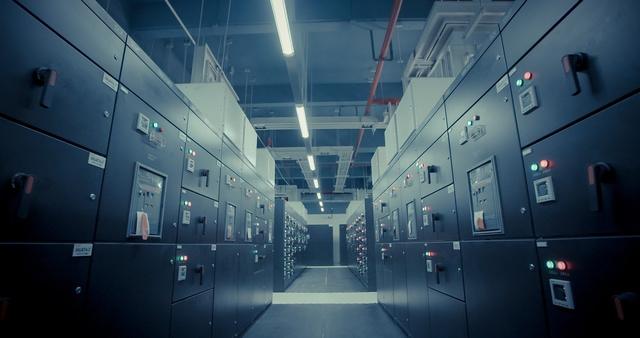
Ontario’s government rolled out a new data‑centre strategy on Friday, aiming to draw investment in artificial‑intelligence (AI) data‑centre projects and to generate jobs in the province’s emerging tech sector. The plan is presented as a means to boost economic growth by positioning Toronto as a hub for AI‑driven computing facilities.
The strategy outlines the province’s intention to create a welcoming environment for companies that build and operate large‑scale data‑centres, with the expectation that such facilities will bring capital, create employment opportunities and strengthen Ontario’s position in the global AI market. Officials described the initiative as a cornerstone of the province’s broader economic diversification efforts.
Soon after the announcement, analysts and industry observers began questioning whether Toronto’s existing electricity grid can accommodate the additional power demands that AI data‑centres typically require. The concern centers on the ability of the current infrastructure to deliver reliable service without compromising supply to other users.
Another point of discussion involves the financial implications of expanding grid capacity. Stakeholders are debating who will shoulder the costs associated with any necessary upgrades or new power generation, whether it will be the government, utility companies, the incoming data‑centre operators, or a combination of these parties.
The province has not released detailed figures on projected power consumption or the specific funding mechanisms that will support grid enhancements. As the strategy moves forward, further clarification is expected from both government representatives and utility providers to address the capacity and cost questions raised by the public and industry alike.
The announcement marks a significant step in Ontario’s effort to attract high‑tech investment, while also highlighting the challenges of aligning infrastructure readiness with ambitious economic goals.