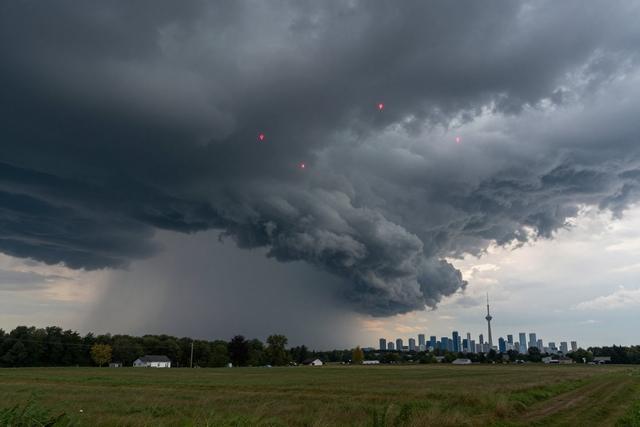
On July 18, 2026, meteorological officials briefly placed tornado warnings over portions of southern Ontario before rescinding them later the same day. The alerts were part of the routine severe‑weather warning system that activates when atmospheric conditions suggest the potential for tornado development.
The warnings covered unspecified areas within the southern region of the province, reflecting the standard practice of issuing advisories whenever forecast models and real‑time observations indicate a heightened risk. Such alerts are intended to give the public and emergency responders timely notice to prepare for possible tornado activity, even though the actual occurrence of a tornado is not guaranteed.
Within hours of the initial issuance, the responsible weather agency reassessed the atmospheric data and determined that the threatening conditions had subsided. As a result, the tornado warnings were officially cancelled, removing the elevated alert status for the affected locales. The cancellation process follows established protocols that require continuous monitoring of wind shear, storm rotation, and other key indicators that influence tornado formation.
No reports of tornadoes touching down or of damage associated with the brief warning period have been documented. Residents in the warned areas were advised to remain alert while the situation was under review, and they received the updated information through the same channels that had initially broadcast the warning.
The episode underscores the dynamic nature of severe‑weather forecasting, where warnings may be issued and withdrawn as conditions evolve. It also illustrates the importance of the warning system’s flexibility, allowing authorities to adjust public advisories promptly in response to the latest meteorological evidence.
Overall, the July 18 event demonstrates how standard severe‑weather alerts function in southern Ontario, providing early notice when tornado‑producing conditions appear and promptly lifting the alert when those conditions dissipate.