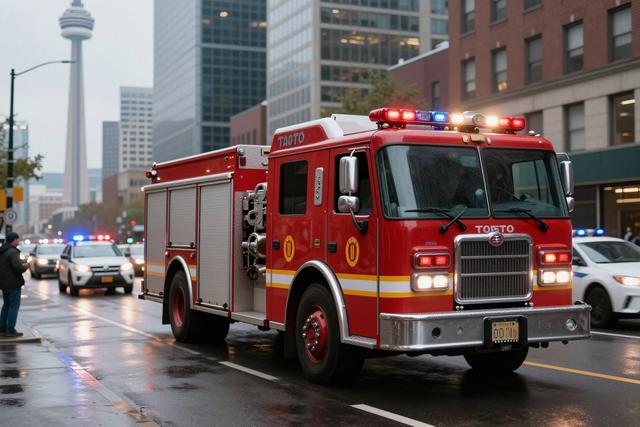
On July 14, 2026, Toronto Fire Services chief Jim Jessop told a city committee that response times for fire trucks are slipping because of heavier traffic and a rise in emergency calls.
He explained that congestion on major arteries and downtown streets is adding minutes to the journey from stations to incident sites. The added travel time, he said, reduces the window for firefighters to reach fires and other emergencies.
Jessop also pointed to a noticeable increase in the volume of calls received by the department. The higher demand means more units are dispatched, stretching resources and further contributing to longer waits for each call.
The chief’s remarks came during a briefing of the municipal committee responsible for overseeing public safety services. He emphasized that the combined effect of gridlock and call growth is eroding the department’s ability to meet its established response benchmarks.
Toronto Fire Services has been monitoring response data and noted a trend of slower arrivals over recent months. While the agency continues to prioritize rapid deployment, officials acknowledge that external factors such as road congestion are beyond their direct control.
City officials have been urged to consider traffic‑management strategies and infrastructure improvements that could alleviate bottlenecks affecting emergency vehicles. The fire chief indicated that collaboration with transportation planners could help restore faster response times.
As the city’s population and development continue to expand, the fire department anticipates that both traffic conditions and call volume may remain challenging. Jessop’s testimony underscores the need for coordinated efforts to ensure that emergency response capabilities keep pace with urban growth.