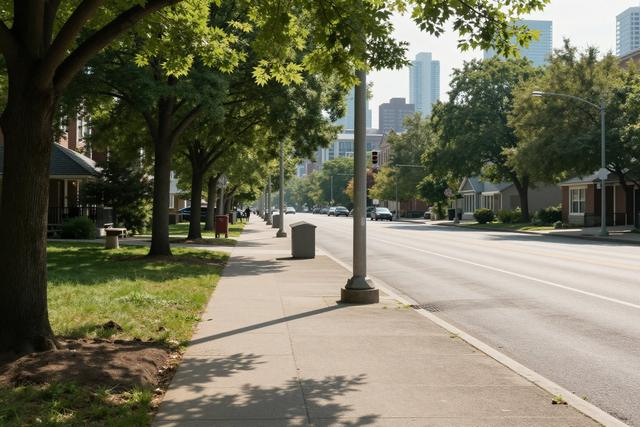
City officials in Toronto announced a citywide initiative to increase tree planting in every neighbourhood and to incorporate climate‑change considerations into future urban design. The plan was unveiled as the city endures an intense summer heat wave in 2026, with the goal of reducing temperature gaps that have emerged from uneven street‑tree coverage.
The city’s strategy targets the disparity in tree canopy that exists across Toronto’s diverse neighbourhoods. Officials noted that areas with fewer trees experience higher surface and air temperatures during extreme heat events, creating a patchwork of hot and cooler zones throughout the city. By expanding the tree canopy uniformly, the city aims to moderate local temperatures and provide more consistent shade for residents.
Under the new program, Toronto will plant additional trees throughout all districts, ensuring that new plantings are distributed equitably. The initiative also calls for climate‑change factors to be embedded in upcoming urban design projects, meaning that future streetscapes, parks, and public spaces will be planned with tree canopy and heat‑mitigation in mind.
Implementation is scheduled for the summer of 2026, aligning with the current heat wave that has highlighted the urgency of the measure. The timing allows for planting during the growing season, which officials say will improve tree survival rates and accelerate the cooling benefits.
Toronto is currently experiencing another summer marked by extreme temperatures. The uneven distribution of street trees has been identified as a contributing factor to localized heat stress. By addressing this imbalance through coordinated planting and climate‑responsive design, the city hopes to create a more resilient urban environment capable of withstanding future heat events.