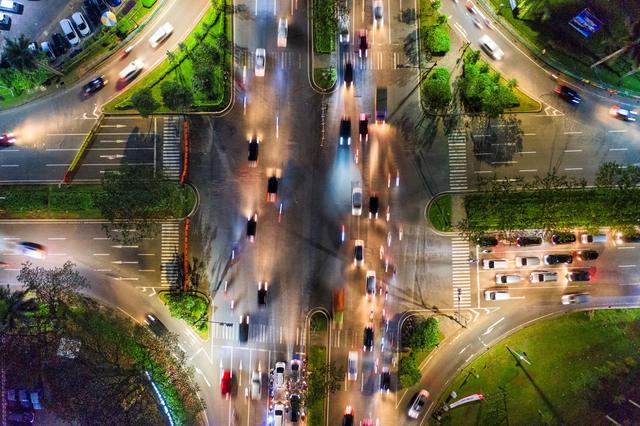
The City of Toronto finished a two‑month redesign of the Portland Street and Wellington Street intersection on Wednesday, creating a smoother traffic flow and safer conditions for walkers and cyclists. The project targeted a long‑standing bottleneck that had been known for heavy honking and chaotic vehicle movement.
Before the work began, motorists, pedestrians and cyclists regularly faced congestion at the crossing, with traffic backing up and noise levels rising during peak periods. City planners identified the need to reduce vehicle speed and improve visibility for non‑motorized road users. The redesign altered the layout of the intersection, adjusting lane configurations and signal timing to prioritize smoother transitions for all users.
Residents who use the intersection for daily commutes reported an immediate difference in traffic calmness after the changes were implemented. Cyclists noted that the new arrangement provided clearer paths and reduced the need to weave through tightly packed cars. Pedestrians also experienced shorter crossing times and a more predictable flow of vehicles, contributing to an overall sense of safety.
The city’s transportation department stated that the primary goal of the project was to eliminate the historic bottleneck and to enhance safety for those traveling on foot or bicycle. By focusing on the specific challenges at Portland and Wellington, officials aimed to create a model for similar intersections across Toronto that experience high volumes of mixed traffic.
Local advocacy groups for active transportation welcomed the outcome, pointing to the redesign as evidence that targeted infrastructure changes can produce measurable improvements without requiring extensive new construction. The city plans to monitor traffic patterns and user feedback in the coming months to assess the long‑term impact of the modifications.
The successful completion of the Portland‑Wellington redesign marks a step forward in Toronto’s broader effort to balance vehicular movement with the needs of pedestrians and cyclists, addressing safety concerns that have persisted for years.