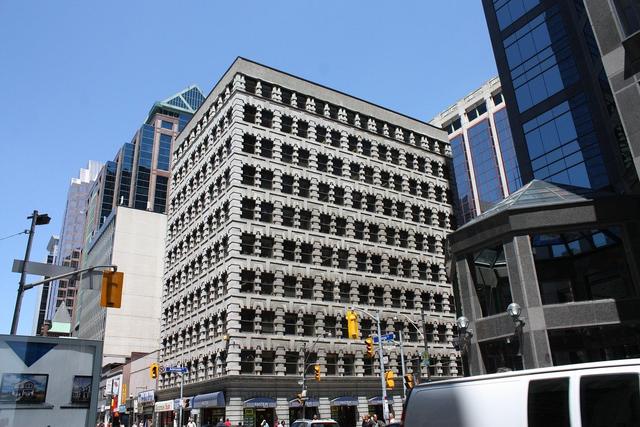
The City of Toronto introduced a major redesign of the Wellington Street West and Portland Street intersection in downtown Toronto this August, reshaping vehicle flow to curb car trips while opening the corridor to increased cycling and walking activity.
The changes to the intersection altered how motor vehicles navigate the space, resulting in a measurable drop in the number of automobile movements through the junction. At the same time, the reconfiguration created additional room for cyclists and pedestrians, encouraging more people to choose active modes of travel for short trips across the downtown core.
This intervention is part of a broader municipal strategy that has been reshaping streets across the city to give priority to active transportation. Over recent years, Toronto has systematically adjusted street layouts, signal timings and lane allocations to reduce the dominance of motor vehicles and to make walking and cycling safer and more attractive options for residents and visitors alike.
City officials noted that the Wellington‑Portland redesign aligns with the ongoing effort to transform Toronto’s urban fabric, supporting health, environmental and mobility goals. By limiting car traffic at a busy downtown node and expanding space for non‑motorized users, the city aims to set a precedent for future street projects that balance the needs of drivers with those of cyclists and pedestrians.
The downtown intersection, located at the heart of a vibrant commercial and residential area, now serves as a tangible example of how targeted street design can shift travel patterns. Early observations indicate a shift toward more foot and bike traffic, reflecting the city’s commitment to fostering a more walkable and bike‑friendly environment in Toronto’s core.
The redesign underscores Toronto’s continued focus on reimagining its streets to support active transportation, reinforcing the city’s long‑term vision of reduced reliance on private vehicles and a more livable urban landscape.