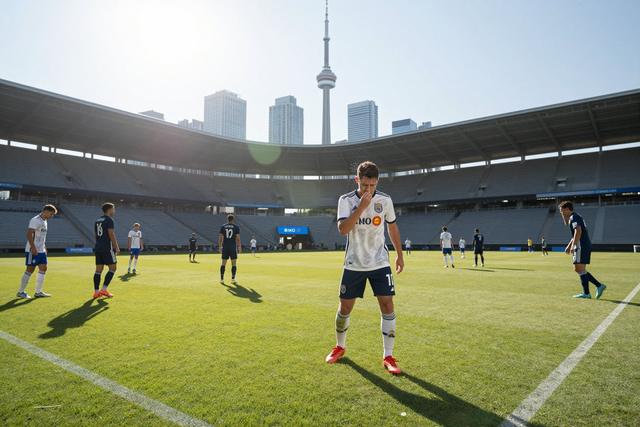
The World Cup final held in Toronto on July 2, 2026 unfolded under extreme heat and humidity, bringing the match close to the wet‑bulb temperature threshold that FIFA guidelines set for possible delay. Officials from the World Soccer Union monitored conditions throughout the game, noting that the combined temperature and moisture levels approached the limit at which player safety could be compromised.
FIFA’s regulations require that a match be postponed if the wet‑bulb temperature exceeds a prescribed safe level, a measure designed to protect athletes from heat‑related illness. As the final progressed, officials consulted the guidelines and observed that the environmental readings were nearing, but did not surpass, the trigger point for suspension. The decision was made to allow play to continue while maintaining heightened vigilance.
Players on both sides contended with the demanding climate, which added an extra physical strain to an already high‑stakes contest. The near‑threshold conditions underscored the importance of the governing body’s safety protocols, which are intended to balance competitive integrity with health considerations. Stadium staff reported that hydration stations were fully operational and that medical teams were prepared for any heat‑related emergencies.
The match concluded without a formal delay, but the experience highlighted the challenges of staging major sporting events during periods of intense weather. Organizers and governing officials indicated that future events will continue to reference the wet‑bulb temperature guidelines to determine the appropriate response when environmental conditions approach hazardous levels.