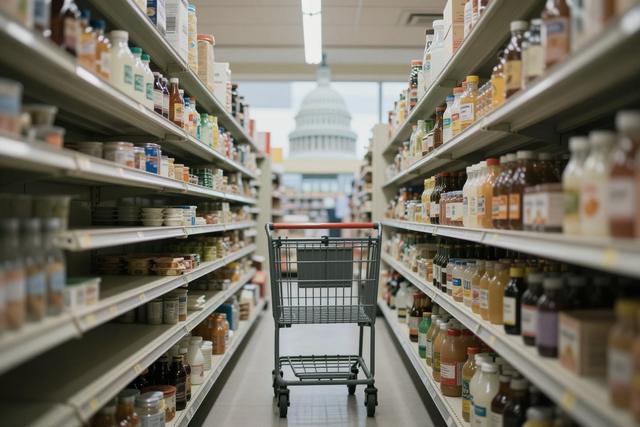
A new study released by the Capital Area Food Bank shows that 38 percent of households in the Washington, D.C., Maryland and Virginia region struggled to put food on the table in 2025. The figure represents a five‑year high for the metropolitan area and surpasses the level of hunger recorded during the peak of the Covid‑19 pandemic.
The research, which focused on the broader DMV region, identified a disproportionate impact on households headed by women, as well as on African‑American and Hispanic families. These groups were highlighted as experiencing higher rates of food insecurity compared with the overall population.
The Capital Area Food Bank, which compiled the data, noted that the 38 percent rate marks a clear increase from previous years. While earlier reports had shown a gradual decline after the pandemic, the latest numbers indicate a reversal of that trend. The organization attributed the rise to a combination of lingering economic pressures, rising housing costs and persistent employment challenges in the region.
The study’s findings place the current level of hunger above the peak observed during the height of Covid‑19, when supply chain disruptions and widespread job losses drove many families into food scarcity. Officials from the food bank emphasized that the upward shift underscores the need for continued assistance programs and community support to address the growing gap.
Local agencies and policymakers are expected to review the data as part of ongoing efforts to combat hunger in the capital area. The Capital Area Food Bank plans to use the study to guide future outreach, resource allocation and partnership initiatives aimed at reducing food insecurity among the most affected households.