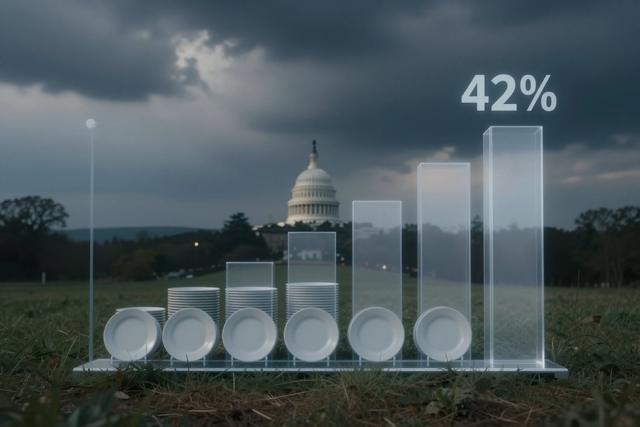
A statewide survey released Tuesday indicates that 42% of households in Virginia lack reliable access to sufficient food. The finding places a sizable portion of the Commonwealth’s residents in a situation where obtaining adequate nutrition is uncertain or limited.
Food insecurity, as defined by the survey, encompasses circumstances in which families cannot consistently secure enough food to meet basic dietary needs. This condition can arise from a range of factors, including fluctuating income, rising living costs, and gaps in social support networks. When households experience this uncertainty, they may resort to coping strategies such as reducing meal sizes, skipping meals, or relying on less nutritious options.
The proportion identified by the survey suggests that nearly one in two Virginia families may be navigating these challenges on a regular basis. While the report does not break down the data by region or demographic group, the overall percentage underscores a broad-based issue that cuts across urban and rural areas alike.
Experts note that persistent food insecurity can have ripple effects on health, education, and economic stability. Children in food‑insecure homes are at higher risk for developmental setbacks, while adults may face increased stress and chronic health conditions linked to inadequate nutrition. Communities often respond through food banks, supplemental assistance programs, and outreach initiatives aimed at bridging gaps in access.
Policymakers and service providers are likely to consider the survey’s results as they evaluate existing assistance frameworks and explore new measures to strengthen food security across the state. The data provides a benchmark for tracking progress and identifying areas where additional resources may be needed.
As Virginia moves forward, the 42% figure serves as a reminder of the ongoing challenge of ensuring that all residents have consistent, adequate access to food, a fundamental component of well‑being and quality of life.