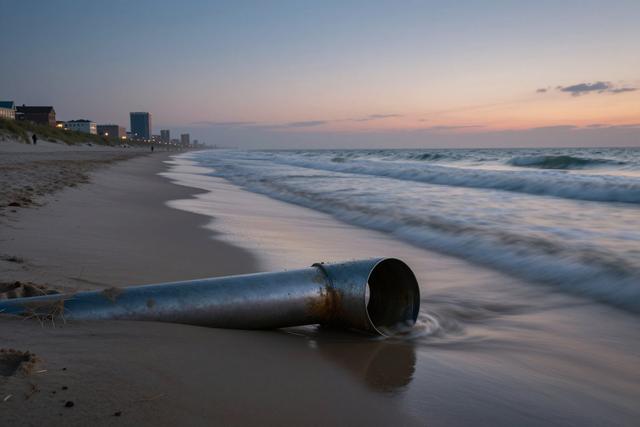
The U.S. Army Corps of Engineers announced on August 28, 2026 that it will devote almost $20 million to a project aimed at repairing outfall pipes that transport storm‑water runoff into the Atlantic Ocean on Absecon Island, the barrier peninsula that includes Atlantic City, New Jersey.
The funding will be used to replace or rehabilitate the network of pipes that convey rain‑filled water from the island’s streets and neighborhoods out to sea. The Corps says the work is intended to strengthen storm‑water infrastructure that has aged and become vulnerable to corrosion and blockages, conditions that can exacerbate flooding during heavy rains.
Improving the outfall system is also framed as a measure to protect coastal waters. By ensuring that storm‑water is conveyed efficiently and without leaks, the project seeks to reduce the amount of polluted runoff reaching the shoreline, thereby supporting water quality in the area that draws tourists and supports local marine life.
The initiative forms part of a broader environmental and flood‑mitigation effort focused on the Wildwoods region and surrounding coastal communities. While the Corps has not detailed a timeline for the construction phase, the announcement signals a commitment to address infrastructure gaps that have been highlighted by recent storm events along the Jersey Shore.
Local officials have expressed that the investment aligns with ongoing plans to bolster resilience against sea‑level rise and increasingly frequent extreme weather. The $20 million outlay represents a significant contribution from the federal government toward the island’s long‑term ability to manage storm‑water flows and safeguard both property and the marine environment.
The project will be overseen by the Corps in coordination with state and municipal agencies, ensuring that design standards meet both engineering and environmental requirements. Once completed, the repaired outfall pipes are expected to provide a more reliable conduit for storm‑water discharge, reducing the risk of localized flooding and helping to maintain the health of the Atlantic coastal ecosystem.