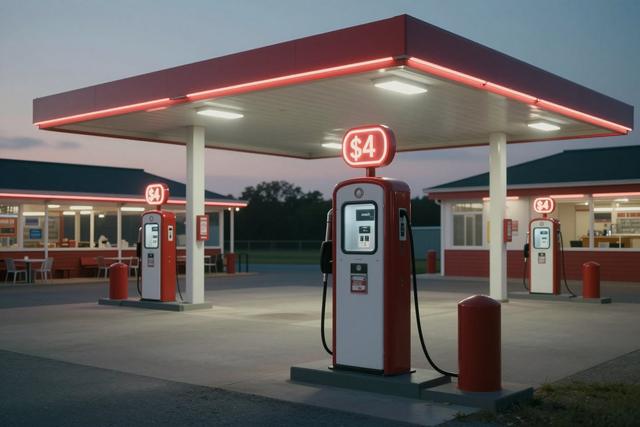
Gas prices in New Jersey have risen above $4 per gallon in 2026, prompting immediate concern among local restaurants and the consumers who frequent them. The increase, reported by gas stations across the state, marks a new threshold for fuel costs and signals a shift in the economic landscape that directly influences dining‑out decisions.
Restaurant owners say the higher price of gasoline raises operational expenses, particularly for businesses that rely on delivery trucks and supply chains dependent on road transport. The added cost of getting ingredients to kitchens and delivering meals to patrons translates into tighter margins, prompting many establishments to reassess menu pricing and promotional strategies. While some eateries plan modest price adjustments, others are considering changes to portion sizes or the composition of their offerings to offset the rise in fuel expenses.
Consumers, facing the same increase at the pump, are expected to adjust their discretionary spending. The added expense of filling a vehicle reduces the amount of money many households have available for non‑essential purchases, including meals away from home. As a result, diners may opt for fewer restaurant visits, choose more affordable options, or shift toward home‑cooked meals. The cumulative effect of these choices could lead to a measurable dip in overall restaurant revenue across the region.
The $4‑per‑gallon level reflects a broader economic trend affecting businesses that depend on transportation costs. Analysts note that when fuel prices climb, the ripple effect reaches sectors beyond travel, influencing everything from food service to retail. Local business groups are monitoring the situation closely, tracking how the price shift impacts sales figures and employment within the hospitality industry. The coming weeks will reveal whether the current price point stabilizes or continues to rise, and how New Jersey’s restaurants and diners adapt to the new cost environment.