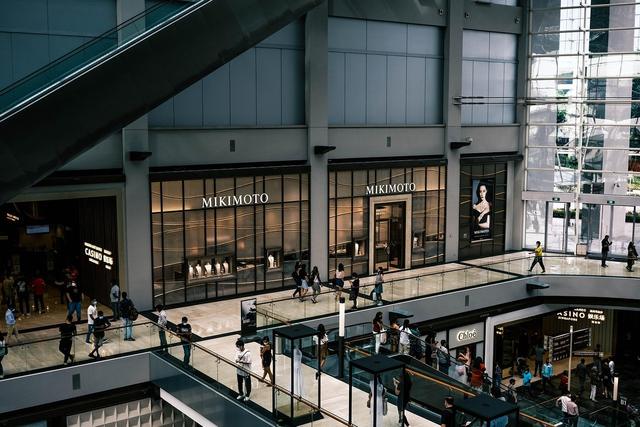
On August 3, 2026, a noticeable shift in shopping habits emerged as users of GLP‑1 medications began frequenting brick‑and‑mortar clothing retailers to try on garments after experiencing weight‑loss changes. The group represents roughly 11 percent of Americans who are currently prescribed GLP‑1 drugs, and their return to physical stores marks a departure from the online‑first approach many adopted during earlier phases of their weight‑loss journeys.
The primary driver behind the trend is the need for accurate fitting after significant body changes. As individuals lose weight, previous size labels often no longer reflect their current measurements, prompting a desire to assess how clothes feel and look in person. Physical fitting offers immediate feedback that virtual sizing tools cannot provide, allowing shoppers to make confident purchasing decisions.
Retail locations across the United States, including stores in New Jersey, have reported an uptick in foot traffic from this demographic. Observations indicate that GLP‑1 users are visiting a range of apparel outlets, from department stores to specialty boutiques, seeking the tactile experience of trying on clothes before buying.
Industry analysts view the pattern as part of a broader post‑diet shopping behavior. After completing a weight‑loss regimen, consumers often reassess their wardrobes to align with new body proportions. The movement back to physical stores reflects a practical response to those changes rather than a wholesale reversal to traditional shopping methods.
While the data does not specify the exact impact on sales, retailers note that the presence of GLP‑1 users adds a distinct segment to their customer base. The trend underscores the importance of adaptable fitting services and inventory that can accommodate a wide range of sizes as shoppers navigate post‑weight‑loss wardrobe updates.