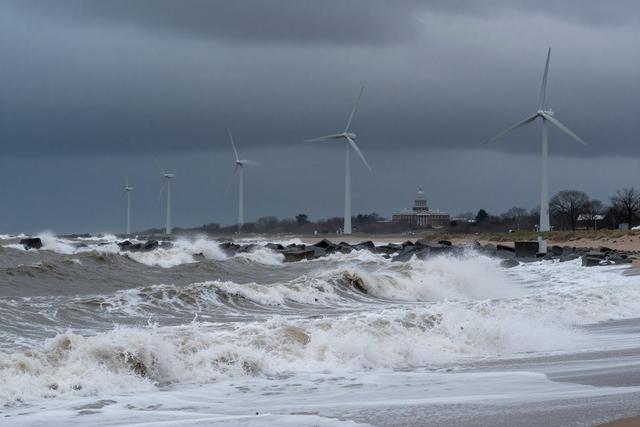
The New Jersey Legislature is currently debating a climate bill that would require polluters to finance flood‑and‑storm adaptation projects across the state. Lawmakers have not yet decided whether the proposal will advance, leaving its future unclear as the session progresses.
The legislation calls for energy companies and other polluters to contribute funds that would be directed toward projects designed to protect coastal communities from rising sea levels and severe weather events. Proponents argue that the measure would create a dedicated revenue stream for adaptation work, while opponents raise questions about the financial impact on the businesses required to pay.
If enacted, the bill could shape the availability of money for resilience initiatives in shoreline towns such as Wildwood. Those communities have long sought additional resources to reinforce dunes, improve drainage systems, and upgrade infrastructure to better withstand storm surges.
Legislators are weighing the costs and benefits of the proposal, examining how the required contributions from polluters would affect state budgets, corporate finances, and the timeline for implementing adaptation projects. The debate reflects broader conversations in New Jersey about how to balance environmental protection with economic considerations.
The outcome of the legislative discussion is expected to influence the state’s approach to coastal resilience for the coming years. As the July 2026 session continues, both supporters and critics of the bill remain engaged in the process, awaiting a final decision that will determine whether the funding mechanism moves forward or stalls.
The decision will have direct implications for funding streams earmarked for flood mitigation and storm preparation, particularly in vulnerable coastal municipalities that depend on state assistance to bolster their defenses against climate‑related threats.