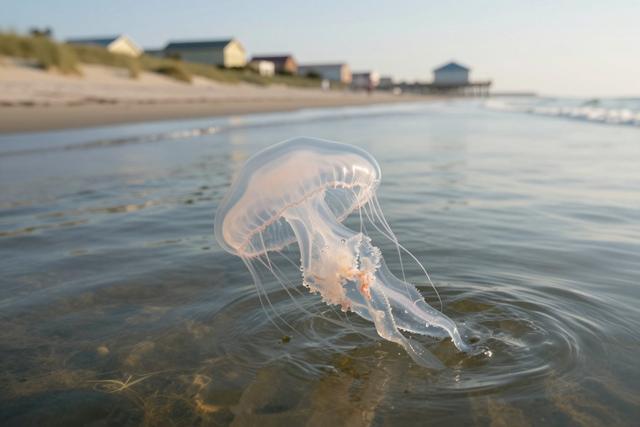
A coastal health advisory released on Wednesday, June 24, 2026, addressed three widespread misconceptions about jellyfish stings along New Jersey’s shoreline from the Metedeconk River down to Cape May. The notice, issued by local health officials, aimed to replace folklore with evidence‑based guidance to protect beachgoers and water users in the region.
The advisory explained that many residents and visitors hold beliefs that can lead to unnecessary alarm or, conversely, a false sense of security when encountering jellyfish. By clarifying these points, officials hope to reduce the number of panic‑driven responses and improve the effectiveness of first‑aid measures after a sting. The three myths were identified as common topics in community discussions and social media posts, prompting the health department to intervene with clear information.
In addition to myth‑busting, the advisory outlined standard safety steps for anyone who may be stung. It recommended rinsing the affected area with seawater, avoiding the use of fresh water or vinegar unless a specific species is identified, and seeking medical attention for severe reactions. The guidance also reminded the public that most jellyfish encountered in the Metedeconk River to Cape May stretch are not life‑threatening, though they can cause uncomfortable pain and skin irritation.
Officials emphasized that accurate knowledge reduces the likelihood of improper treatment, which can exacerbate symptoms. By dispelling the three myths, the health department seeks to foster a more informed public that can enjoy the coastal waters with confidence and appropriate caution. The advisory will remain in effect through the summer season, and updates will be provided if conditions change.
Residents are encouraged to stay informed through local news outlets and the health department’s website, where detailed information on jellyfish identification and response protocols is available.