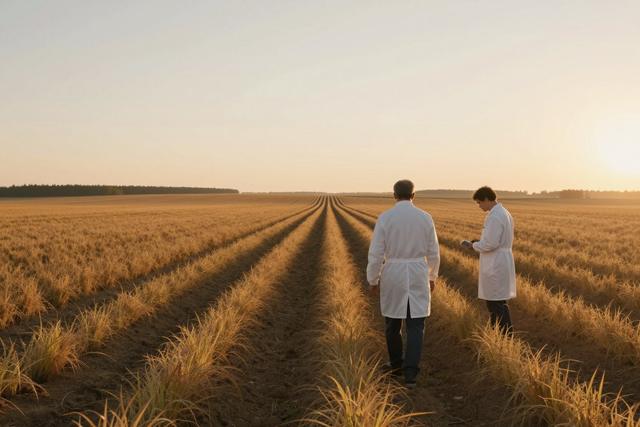
Researchers at Agriculture and Agri‑Food Canada’s federal research centre in Brandon, Manitoba, are developing new crop varieties designed to endure the region’s shifting climate. The effort, announced on Sunday, focuses on breeding plants that can survive more extreme weather patterns and temperature fluctuations, with field trials covering hundreds of acres.
The initiative responds to growing climate risks that have been identified across the province’s agricultural sector. Scientists say that recent weather trends have increased the likelihood of drought, heat stress, and unexpected frosts, all of which threaten traditional crop yields. By introducing genetic traits that improve tolerance to these conditions, the program aims to safeguard the productivity of farms throughout the area.
Work at the Brandon centre involves cross‑breeding existing cultivars with traits identified in global research collaborations. The process includes controlled pollination, greenhouse testing, and subsequent planting on large test plots. Researchers monitor growth, yield, and resilience indicators throughout the growing season, adjusting breeding strategies as data accumulate.
Officials from Agriculture and Agri‑Food Canada emphasize that the project is part of a broader national strategy to enhance food security amid climate change. The goal is to deliver seed varieties that can be adopted by local growers, thereby improving crop survival rates and reducing economic losses linked to climate‑induced failures. The ongoing work in Brandon represents a key step toward building a more adaptable agricultural landscape for Manitoba and the surrounding regions.