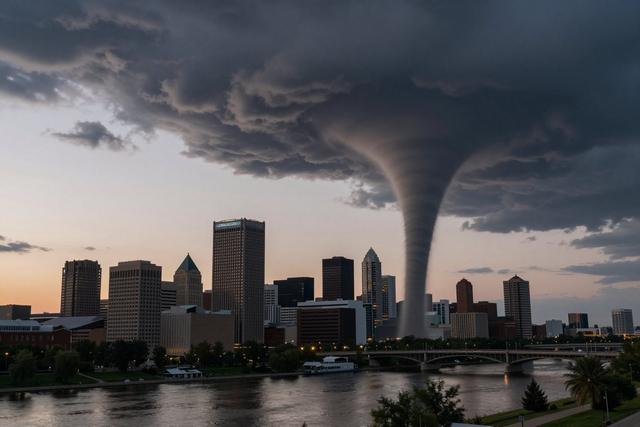
Two tornadoes touched down in Winnipeg during the summer of 2026, an occurrence that experts say contests the common perception that urban areas are protected from severe tornado activity. The twin events marked a notable deviation from typical weather patterns experienced in the region, prompting meteorologists to reassess risk assessments for the city.
The storms, both classified as tornadoes, moved through Winnipeg in the same season, underscoring the potential for multiple severe weather incidents to affect a single metropolitan area within a short timeframe. While tornadoes are not unheard of in Manitoba, the concentration of two such events in Winnipeg itself was unexpected, leading specialists to highlight the need for heightened awareness and preparedness among residents and local authorities.
Experts note that the twin tornadoes illustrate that no location, regardless of its size or infrastructure, can be considered immune to extreme weather. The incidents have sparked discussions about updating emergency response plans and reinforcing building codes to better withstand similar phenomena in the future. Additionally, the events have prompted a review of public education initiatives aimed at informing citizens about tornado safety measures.
City officials have not released detailed damage assessments, but the occurrence of two tornadoes in a single summer is already influencing ongoing conversations about climate variability and its impact on urban environments. Researchers are examining whether broader atmospheric trends may be contributing to an increased likelihood of such events in regions traditionally viewed as low risk.
The twin tornadoes of summer 2026 serve as a reminder that severe weather can emerge in unexpected places, urging both policymakers and the public to remain vigilant and adaptable in the face of evolving meteorological threats.