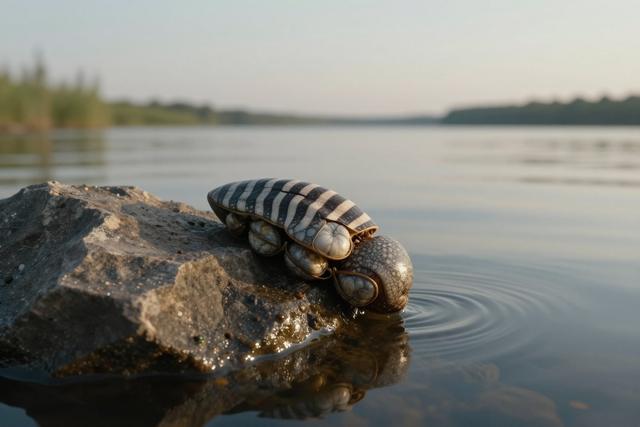
Manitoba officials confirmed the presence of invasive zebra mussel larvae in Lake Winnipegosis and Waterhen Lake during inspections conducted in late August 2026. The provincial government announced that any watercraft leaving these lakes must undergo decontamination before being launched in other waterways.
The discovery was made by provincial authorities tasked with monitoring aquatic health across the province. Both lakes are now subject to mandatory cleaning protocols for boats, trailers, and equipment to prevent the larvae from hitchhiking to new locations. The requirement applies to all watercraft exiting the two lakes, regardless of the intended destination.
Zebra mussels, a non‑native species, have spread through many of Manitoba's water bodies in recent years, posing risks to infrastructure, native ecosystems, and recreational activities. Their larvae, known as veligers, can travel attached to boats, making decontamination a critical barrier against further expansion. By targeting the two affected lakes, officials aim to contain the species before it establishes a broader presence.
The provincial government’s response follows a pattern of increasing vigilance as the invasive mussel continues to move into new habitats. The focus on Lake Winnipegosis and Waterhen Lake reflects the latest confirmed sites, bringing the total number of lakes with documented larvae to two. The decontamination mandate is part of a broader strategy that includes public education, regular monitoring, and coordination with local stakeholders.
Residents and visitors to the lakes are being reminded to follow the cleaning procedures, which typically involve draining water from boats, drying equipment, and using approved disinfectants. The government has emphasized that compliance is essential to protect the province’s extensive network of lakes and rivers from the ecological and economic impacts associated with zebra mussel infestations.