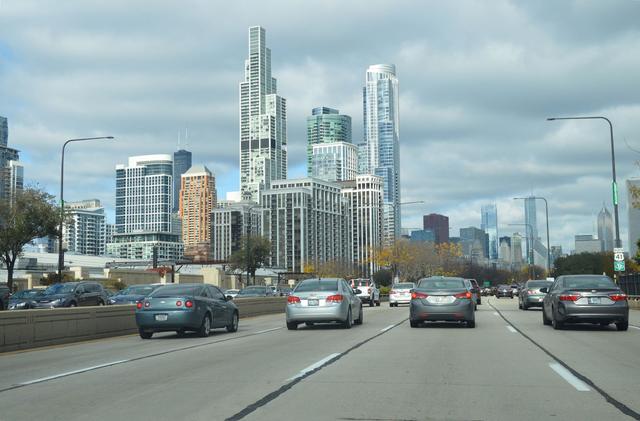
Around 7 p.m. on Saturday, August 15, 2026, a loud boom echoed through Chicago’s Loop as smoke drifted into several streets, prompting a swift emergency response.
City officials dispatched fire and police units to the affected area. The presence of multiple emergency vehicles, combined with the need to secure the scene, led to a noticeable slowdown on the downtown road network.
Police officers set up temporary detours and used spotlights to guide vehicles through the hazy conditions. The coordination between fire crews and law enforcement aimed to contain any potential fire while keeping the public safe.
Visibility dropped sharply in two corridors: between East Lake Street and Wacker Drive, and between North Michigan Avenue and Columbus Drive. The reduced sight lines forced drivers to reduce speed and, in some cases, to stop while authorities worked.
The combined effect of the smoke, the boom, and the emergency response created a traffic jam that stretched across the Loop. Motorists reported long queues and delays as the incident was investigated.
Authorities have not released details about the source of the explosion or the smoke, but they confirmed that the situation remains under control. Cleanup and traffic management efforts continued through the evening, with officials urging drivers to use alternate routes.
By the end of the evening, traffic flow began to improve as the smoke cleared and emergency units withdrew from the streets. Nevertheless, some drivers reported remaining backups near the affected intersections.
The incident added to the typical rush‑hour congestion in the city’s central business district, illustrating how unexpected events can quickly disrupt the flow of traffic in a densely packed urban core.