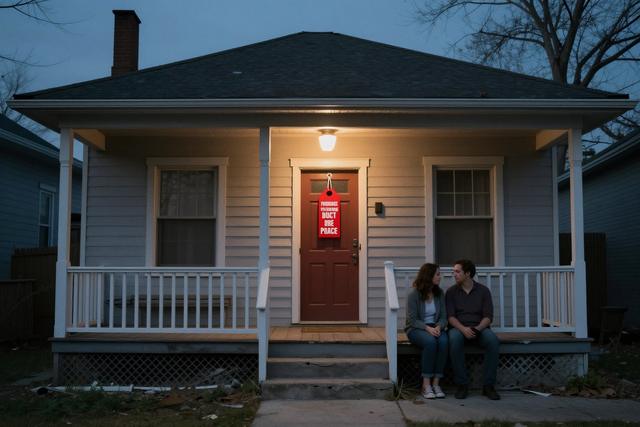
A Chicago couple on the South Side is confronting the possibility of losing their home to foreclosure, a development that follows an earlier legal battle to remove an alleged squatter from the same property. The dispute, which drew public attention last year, ultimately contributed to the passage of new Illinois legislation aimed at strengthening property‑owner rights.
The homeowners first sought to evict the individual they described as an unauthorized occupant after discovering the person living in the house without permission. Their attempt to regain possession led to a protracted legal struggle that highlighted gaps in the state’s existing eviction and property‑rights framework. Advocates and legislators cited the case as an example of the challenges homeowners face when dealing with occupants who claim residency without formal tenancy agreements.
In response, the Illinois General Assembly enacted a bill that clarifies the procedures for removing alleged squatters and expands the remedies available to property owners. The new law, signed earlier this year, establishes clearer timelines for court filings, mandates stricter documentation requirements, and provides lenders with additional protections when a property is subject to an unlawful occupation claim. Lawmakers indicated the measure was intended to prevent future disputes from escalating to the point experienced by the South Side couple.
Despite the legislative victory, the couple now finds themselves in a precarious financial position. Their mortgage lender has initiated foreclosure proceedings, citing missed payments that the homeowners attribute to the costs and disruptions caused by the earlier eviction effort. The foreclosure process, which began this month, could result in the loss of the house if the debt is not satisfied or a repayment plan is not arranged.
The situation underscores the lingering impact of property‑rights conflicts even after statutory reforms. While the new law addresses procedural shortcomings, it does not automatically resolve the financial consequences for owners who have already endured costly legal battles. Observers note that the case may serve as a cautionary example for other Chicago residents navigating similar disputes.
The couple’s experience illustrates how a single property dispute can ripple through both personal finances and state policy, leaving the homeowners to confront the very outcome the new legislation sought to prevent.