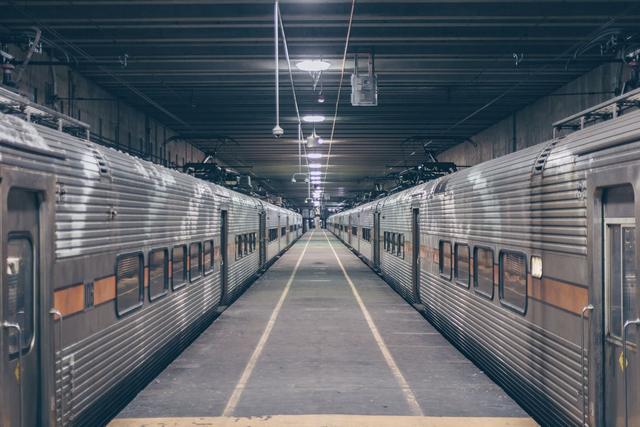
Dozens of Chicago residents assembled outside Rate Field in the Bridgeport neighborhood on September 8, 2026 to voice opposition to a proposed 24‑hour Amtrak facility. The gathering was organized to challenge Amtrak’s plan to construct a round‑the‑clock operation in the area, a project that residents say would damage the character and quality of the neighborhood.
The protest took place in the vicinity of the historic baseball venue, emphasizing the community’s concern that the new facility could alter the local environment. Participants highlighted worries about increased traffic, noise, and the potential impact on residential life, arguing that a constantly operating rail hub would be inconsistent with the existing fabric of Bridgeport.
Amtrak’s proposal envisions a facility that would operate at all hours, providing continuous service and support for rail operations. The company has not disclosed additional details beyond the intention to establish the site in Bridgeport. The timing of the plan coincides with discussions by the Chicago White Sox about possibly relocating to the same location, adding another layer to the community’s apprehension.
The presence of the White Sox in the conversation has heightened public attention, as the team’s potential move would bring further development and activity to the neighborhood. Residents expressed that the combination of a nonstop rail facility and a major sports franchise could intensify concerns about congestion and alteration of the area’s residential feel.
City officials have not yet issued a formal response to the protest, and discussions between Amtrak, the White Sox, and local stakeholders remain ongoing. The demonstration underscored the community’s desire to be involved in decisions that could reshape Bridgeport’s landscape, reinforcing the need for dialogue before any construction proceeds.
The protest reflects a broader pattern of neighborhood groups in Chicago seeking input on large‑scale projects that may affect their daily lives, illustrating the balance between regional infrastructure goals and local community interests.