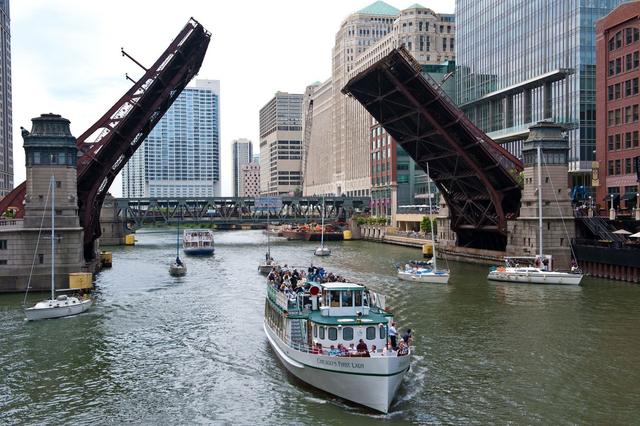
At just after 11:00 a.m. on September 2, 2026, the DuSable Lake Shore Drive bridge at Grand Avenue over the Chicago River failed to return to its normal position during a scheduled lift, leaving the span stuck in the up position and creating a significant traffic jam on one of the city’s main arteries. The malfunction prompted a coordinated response from the Chicago Office of Emergency Management and the Chicago Department of Transportation, and the blockage persisted for roughly thirty minutes before the bridge was successfully lowered.
The bridge, which routinely raises to allow river traffic to pass, was undergoing a routine lift when unusually high temperatures interfered with its operating mechanism. The heat‑related issue caused the lift system to seize, preventing the bridge from completing its cycle and forcing vehicles on Lake Shore Drive to stop. Motorists encountered backed‑up lanes and delays as traffic officers directed flow and worked to keep the situation safe.
City officials monitored the incident closely, ensuring that no injuries occurred and that emergency routes remained clear. After about half an hour of effort, technicians were able to reset the mechanism and lower the bridge, allowing traffic to resume its normal pattern. The brief but disruptive event highlighted the vulnerability of critical infrastructure to extreme heat, a factor that city planners and engineers continue to assess as summer temperatures climb.
While the bridge returned to service without further incident, the episode served as a reminder of how weather conditions can affect everyday transportation. The Chicago Office of Emergency Management and the Department of Transportation indicated they will review the lift system’s performance under high‑heat scenarios to mitigate future disruptions. Commuters returning to their routes after the delay reported the streets clearing quickly once the bridge was down, and normal traffic flow was restored for the remainder of the day.