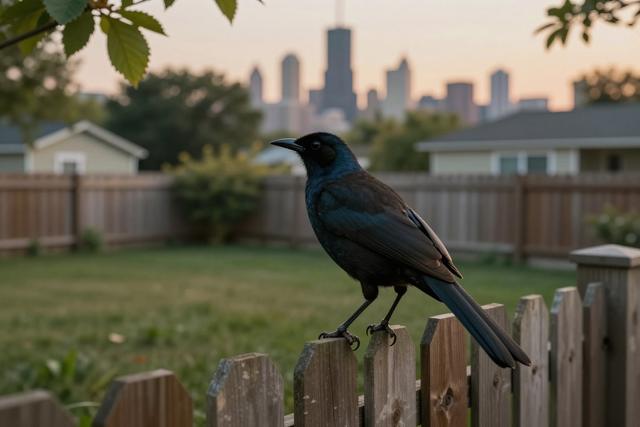
On August 5, 2026, resident Patty Wetli reported seeing a bird that displayed both male and female traits while perched on a tree in a suburban Chicago neighborhood. The unusual avian specimen attracted immediate attention because it combined characteristics that are typically separated by sex in most bird species.
According to Wetli, the bird’s plumage included the bright coloration often associated with males, while its size and certain behavioral cues matched those more commonly observed in females. The combination of these features made the sighting stand out among ordinary backyard observations in the region.
Hermaphroditic birds are documented only in a handful of cases worldwide, and they are considered a biological rarity. In most avian species, sex is determined by genetic mechanisms that result in distinct male and female forms, making any individual that exhibits both sets of traits an exceptional find.
Scientists who study avian physiology say that such occurrences can provide insight into the flexibility of sex-determination pathways and the environmental factors that may influence them. While the bird observed by Wetli has not yet been captured for scientific examination, the report adds to the limited catalog of known hermaphroditic individuals and may prompt further field surveys in the area.
The sighting underscores the value of community observations in contributing to scientific knowledge, especially when dealing with phenomena that are rarely encountered. As the season progresses, local birdwatchers will likely keep a closer eye on their surroundings, hoping to encounter similarly unusual specimens. Any future documentation will help refine understanding of avian sexual development.