Six tornadoes ripped through the south suburbs of Chicago and northwest Indiana earlier this week, leaving homes damaged and power lines down. As Friday, August 14, 2026, dawned, residents began the arduous task of clearing debris while waiting for electricity to return, even as forecasts called for additional storms over the coming weekend.
In neighborhoods scattered across the affected area, families and volunteers moved fallen branches, shattered glass, and roof fragments into piles for removal. The cleanup effort extended from front yards to streets, with many households relying on generators and battery‑powered lights after the power outages took hold. Local crews worked to restore service, but the scale of the damage meant that full restoration would take days.
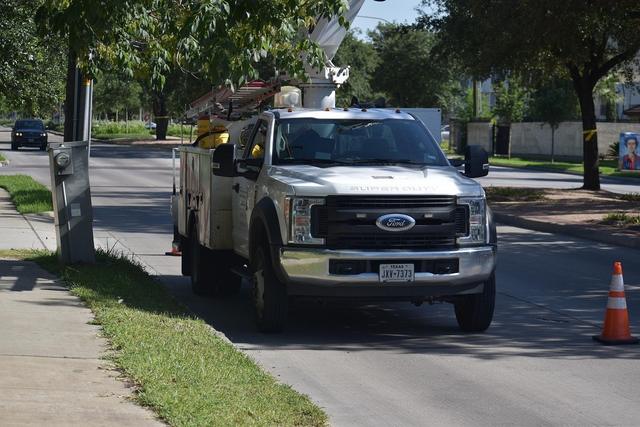
Utility workers reported that the tornadoes had toppled multiple power poles and snapped lines throughout the region. While crews prioritized critical infrastructure, many residents continued to live without electricity, using flashlights and portable devices to manage daily tasks. The loss of power also halted refrigeration and heating, prompting neighbors to share resources where possible.
Meteorologists warned that the weather pattern responsible for the earlier tornadoes remained active, with additional thunderstorms expected to move through the area later in the week. Emergency managers reminded the public to stay informed and prepared for possible further severe weather, emphasizing the importance of securing outdoor items and having emergency supplies on hand.
Community centers and local shelters opened their doors to offer temporary refuge for those whose homes were rendered uninhabitable by the storms. Volunteers coordinated food and water distribution, while neighbors checked on each other’s well‑being, creating a network of support amid the ongoing recovery.
As the weekend approaches, the combined effort of residents, utility crews, and emergency services aims to restore normalcy while remaining vigilant for the next round of storms that could test the region’s resilience once again.