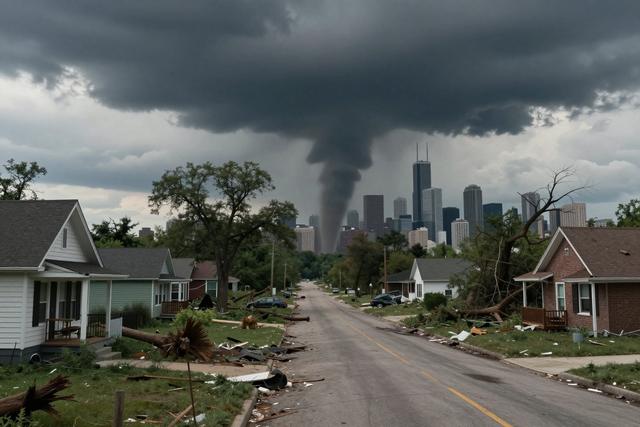
Summer 2026 brought a series of powerful tornadoes across Illinois and Indiana, leaving a trail of destruction that has forced both states to rethink how neighborhoods are built and protected. The storms ripped through residential districts, damaged commercial corridors, and disrupted transportation routes, prompting an immediate response from local officials, emergency responders, and disaster specialists.
In the weeks following the events, experts have been convening to assess how the intense weather has altered community layouts. They point to the loss of housing stock, the removal of trees that once formed natural windbreaks, and the damage to critical infrastructure such as water and power lines as clear indicators that the built environment will need to adapt. Their analyses stress that rebuilding offers an opportunity to integrate design features that can better withstand future tornado activity.
State and municipal authorities have begun reviewing existing preparedness measures. Emergency management teams are evaluating the placement of public shelters, the efficiency of warning siren networks, and the adequacy of evacuation routes. Adjustments to building codes are being considered, with a focus on reinforcing roof connections, installing impact‑resistant windows, and encouraging the use of safe rooms in new construction.
Community outreach has become a central component of the response. Town hall meetings and neighborhood forums allow residents to share firsthand observations of damage and to voice priorities for recovery. These discussions have highlighted the need for clearer communication channels during severe weather alerts and for more accessible resources to help homeowners reinforce their properties.
State agencies are also collaborating with meteorologists to refine forecasting models and to shorten the lead time between tornado detection and public notification. By improving the accuracy and speed of warnings, officials hope to give residents more time to seek shelter.
Together, the expert reviews, policy adjustments, and community engagement efforts aim to create a more resilient landscape across Illinois and Indiana, reducing vulnerability to the next severe tornado season.