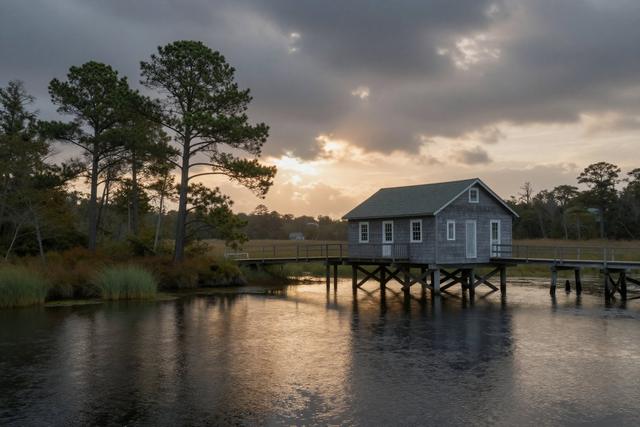
On August 20, 2026, crews began lifting a historic boathouse in Cape May, New Jersey, by roughly eight feet in an effort to shield the 1910 structure from recurring flood damage. The project is being overseen by Keith Laudeman, a representative of a local historic preservation group, and is part of an ongoing engineering operation aimed at securing the building against rising water levels.
The boathouse, constructed over a century ago, is regarded as a cherished element of Cape May's waterfront heritage. Its timber frame and distinctive design have long been recognized as an example of early 20th‑century maritime architecture, and the building has served the community in various capacities since its erection.
Engineers have employed a systematic lifting process to raise the entire structure. By incrementally increasing the elevation, the team seeks to create a buffer between the boathouse and the water that frequently encroaches during high tides and storm events. The eight‑foot elevation target reflects assessments of the area’s flood history and projected water level trends.
Frequent flooding has become a persistent challenge for waterfront properties in Cape May, driven by a combination of tidal fluctuations and longer‑term sea‑level rise. Raising the boathouse directly addresses the vulnerability of the building, ensuring that its historic fabric remains intact and usable for future generations.
The undertaking exemplifies a broader movement to protect historic assets through structural adaptation rather than relocation or demolition. By applying engineering solutions to heritage conservation, local officials and preservation advocates aim to maintain the character of Cape May’s historic district while responding to environmental pressures. The ongoing lift of the 1910 boathouse demonstrates a proactive approach to safeguarding the town’s cultural landmarks against the impacts of climate‑related flooding.