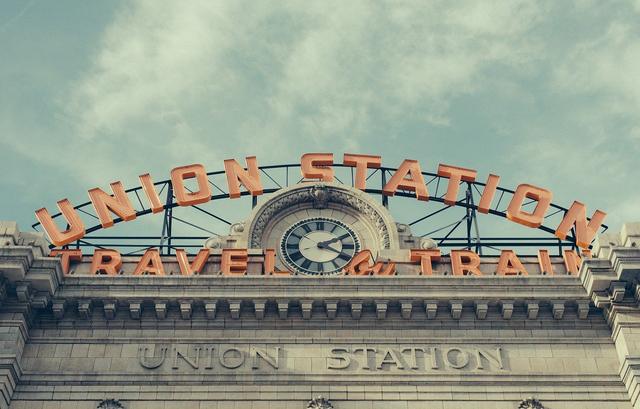
A safety report released on September 11, 2026 indicates that an overreliance on visual inspections of railway tracks may have played a role in the GO Transit train derailment that occurred at Union Station in Toronto. The finding comes after the incident disrupted commuter rail service across the city for several days earlier this year.
The report, issued by GO Transit, points to the practice of depending primarily on visual track examinations as a contributing factor. It suggests that the method may have failed to detect defects that could have been identified through additional monitoring techniques. The analysis does not assign sole responsibility but highlights the visual‑inspection approach as a weakness in the safety system.
The derailment at Union Station, located in downtown Toronto, forced GO Transit to suspend or curtail many of its regular routes, leaving commuters without their usual rail options for a period described as several days. The interruption affected thousands of daily riders and prompted a broader discussion about the reliability of current track‑inspection procedures.
Officials have indicated that the report’s conclusions will be reviewed as part of an effort to improve safety protocols. While the document stops short of prescribing specific changes, it underscores the need to consider supplementary inspection methods that go beyond visual checks. The outcome may lead GO Transit to reassess how it monitors track conditions to prevent similar incidents in the future.