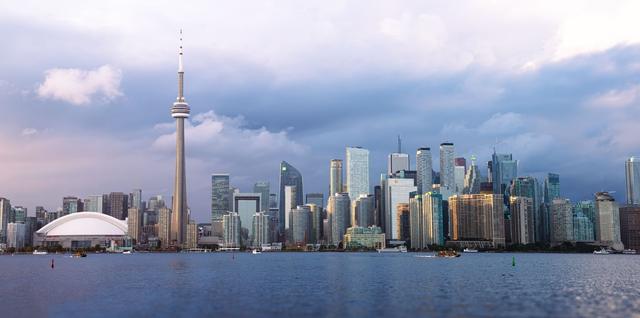
Toronto was identified as the Canadian city whose residents feel the safest, according to a national public opinion research firm that released its findings on Sunday, September 6, 2026. The survey compared each city’s official crime‑severity rankings with how safe residents said they felt, and it showed Toronto with the widest gap between the two measures. In other words, while the city’s statistical crime ranking placed it somewhere on the national scale, the public’s sense of security was considerably higher than that rank would suggest.
The research examined a range of municipalities across the country, pairing police‑reported crime data with responses from local inhabitants about their personal sense of safety. Toronto emerged as the outlier, displaying the biggest disparity between its measured crime severity and the perception of safety among its population. Other cities displayed a closer alignment between the two metrics, underscoring Toronto’s unique position in the data set.
The firm that conducted the survey did not release exact figures in its brief, but it highlighted the contrast as a notable outcome of the study. The timing of the release adds to ongoing conversations about how public confidence in safety can diverge from statistical realities, a theme that has been observed in previous research across various jurisdictions.
Officials and community leaders may look to these results as an indication that, despite any challenges reflected in crime statistics, Toronto’s residents maintain a strong belief in the safety of their neighborhoods. The disparity could shape future public‑policy discussions, encouraging authorities to consider both objective crime rates and the subjective sense of security when planning safety initiatives. Toronto’s reputation for being perceived as the safest city in Canada may influence how resources are allocated and how community outreach programs are designed moving forward.