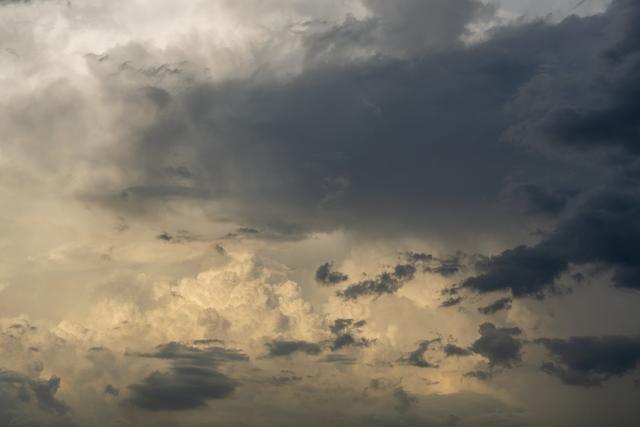
A severe storm that battered parts of Toronto last week has brought the city’s climate‑resilience challenges into sharp focus, prompting environmental experts to weigh how proposed measures could shape the upcoming municipal election.
The storm caused notable damage across several neighbourhoods, exposing weaknesses in infrastructure and emergency response that officials and residents alike are now scrutinising. Flooded streets, downed trees and power outages were reported, underscoring the city’s exposure to extreme weather events.
In the wake of the damage, a group of environmental specialists convened to discuss the role of climate‑resilience strategies in municipal governance. Their conversation centred on how the city’s approach to upgrading drainage systems, reinforcing vulnerable zones and investing in green infrastructure might influence voter priorities as the election draws near.
Municipal leaders are preparing for an election that will determine the next slate of city councillors and the mayor. The recent storm has elevated climate resilience to a potential headline issue, with candidates likely to be asked to outline concrete plans for mitigating future weather‑related risks. The experts noted that public awareness of the storm’s impact could translate into heightened demand for actionable policies at the ballot box.
The broader dialogue reflects a growing recognition that climate adaptation is not solely an environmental concern but a political one. As Toronto moves toward the election, the discussion among experts signals that the city’s preparedness for extreme events may become a decisive factor for voters, shaping the policy agenda for years to come.