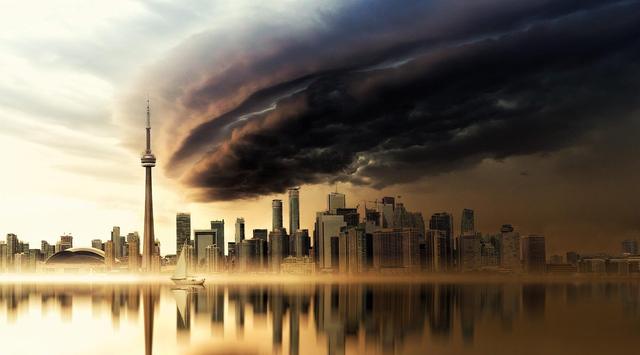
A powerful storm that battered Toronto last week has placed climate‑resilience planning at the centre of political conversation as the city approaches its municipal election. Environmental experts gathered to examine how the recent damage could shape voter priorities and candidate platforms, emphasizing that the severity of the event highlights gaps in the city’s preparedness for extreme weather.
The storm caused widespread disruption across multiple neighbourhoods, toppling trees, flooding streets and damaging infrastructure. Residents reported power outages and blocked roadways, while city crews worked to clear debris and restore services. The scale of the impact has prompted officials to reassess emergency response protocols and long‑term infrastructure strategies.
In response, a group of climate scientists and urban planners met to discuss the implications for municipal policy. They argued that the storm demonstrates the urgency of integrating robust resilience measures into future development plans, such as upgrading drainage systems, reinforcing building codes and expanding green infrastructure. The experts stressed that without decisive action, the city could face increasingly costly repairs and heightened risk to public safety as climate patterns shift.
The timing of the discussion coincides with the final stretch of the municipal campaign, when candidates are solidifying their policy agendas. Officials from the mayor’s office and several council hopefuls have indicated that climate adaptation will feature prominently in their platforms, acknowledging voter concern over recent weather events. The experts noted that clear, actionable proposals could become a differentiating factor for voters seeking leaders who can safeguard the city against similar incidents.
Overall, the storm has amplified a broader conversation about Toronto’s capacity to withstand climate‑related challenges. As the election draws near, the city’s electorate is likely to evaluate candidates on their commitment to resilient infrastructure and sustainable urban planning, potentially reshaping the political landscape for years to come.